
In recent years, especially in light of the COVID pandemic, event promoters have been forced into transitioning from live events to digital events. This has led to some major advances in audio-visual technology, producing the resources necessary to deliver a digital experience similar to that which you would receive if you were actually at a live event.
Travis Scott’s Fortnite Concert
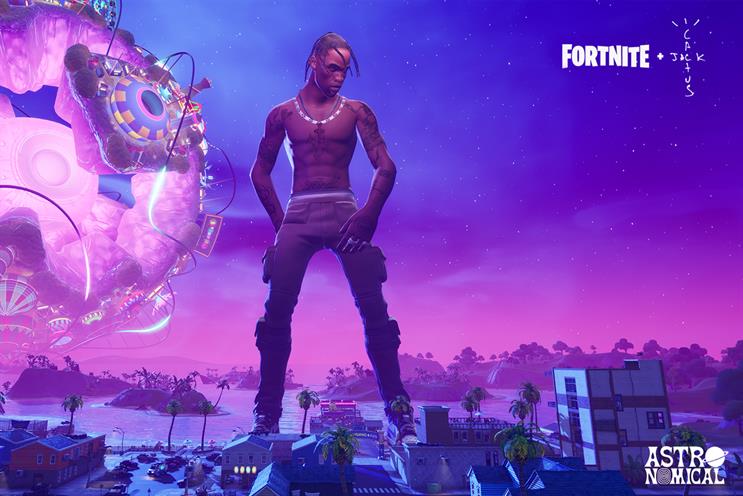
Given the limitation of large gatherings due to the pandemic, musical artists have been experimenting with digital performances. On 23 April 2020, over 12 million Fortnite players attended a 10-minute virtual performance by Travis Scott, using Fortnite’s multiplayer online video game servers as a massive ‘venue’.
Watch the performance here:
The NBA Restart
The 2019-20 NBA season restarted in July 2020, after shutting down for over four months, but with no fans allowed to enter the league’s “bubble” to attend the games physically, the NBA opted for a digital approach. Using Microsoft Teams’ Together mode, which applies AI segmentation technology to bring people together into a shared environment like a conference room, coffee shop, or in this case an arena, the NBA gave fans the opportunity to watch games whilst being projected live on in-arena videos boards where the crowd would typically sit, enabling them to offer their support and be seen and heard, despite being unable to attend physically.
To enhance this at-home fan experience, the NBA made several changes to their broadcast. They implemented dozens more cameras in new positions closer to the court to showcase intimate, never-before-seen camera angles. They also placed high-fidelity microphones around the court to capture enhanced sounds like squeaks from trainers and ball bounces.
The Future of Digital Events
One of the biggest concerns with digital events is maintaining engagement from the participants or audience. Even at live events boredom is no pleasure, but at digital events it is critical to maintain the interest of the audience as bored participants may simply switch off at the push of a button. I think that a lot of work will be required to engage a digital audience for as extended a period as a live audience, particularly for musical performances.
While the future of live events remains uncertain, I think that digital events will shape the way consumers engage and interact with live content, and some elements of digital events may be adopted by live events when they can return in their full glory. However I think that digital events lack the spectacle of a live experience, and that will be difficult to achieve.
 grunfeldaudio.productions